
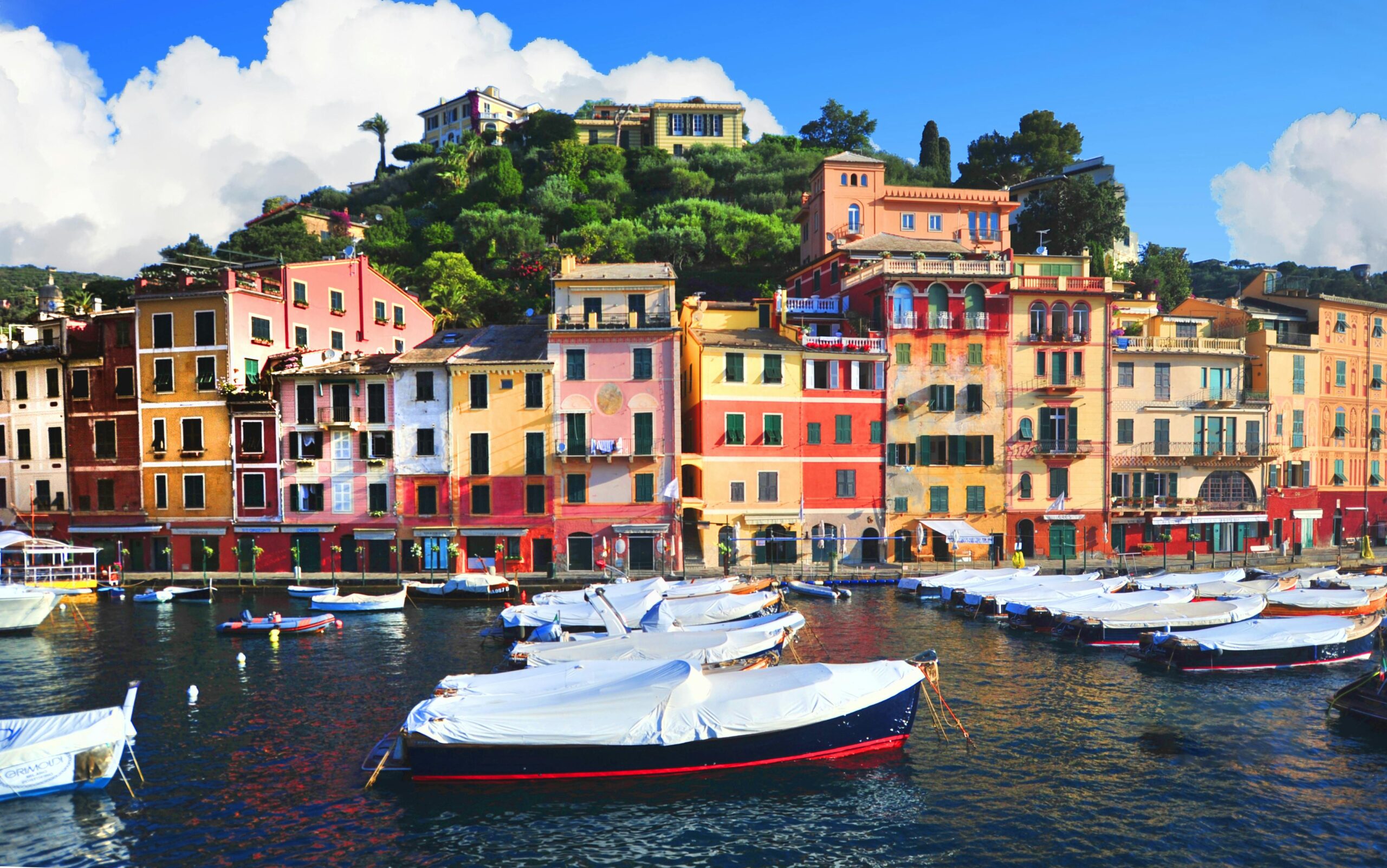
Sunday Mornings in France
Leisurely Living
One of the first things you notice when you move to France is that, in most places, Sundays are still sacred. Not in a religious sense, necessarily — though you’ll still hear church bells echoing through the villages — but in the sense of slowing down, of pausing.
Sunday is for waking up late, being with family, and remembering what quiet feels like.
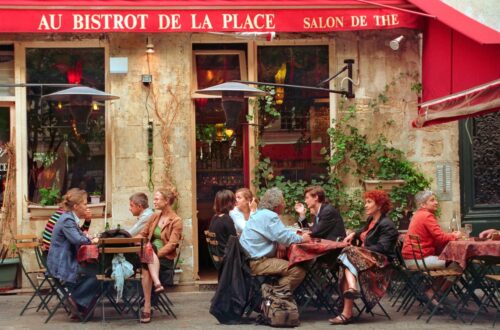
That said, there are exceptions — important ones. You’ll always find the boulangerie open on a Sunday morning. After all, how else would anyone survive without their croissant fix or their baguette for lunch? The French take breakfast seriously, and sitting at a café with a flaky pastry and a strong coffee, reading the paper, is about as quintessentially French as it gets.
A few other essentials stay open too: the tabac, for cigarettes, lottery tickets, and the morning newspaper. Some cafés open their doors as well, allowing the slow trickle of regulars to settle in and greet the day, one espresso at a time.
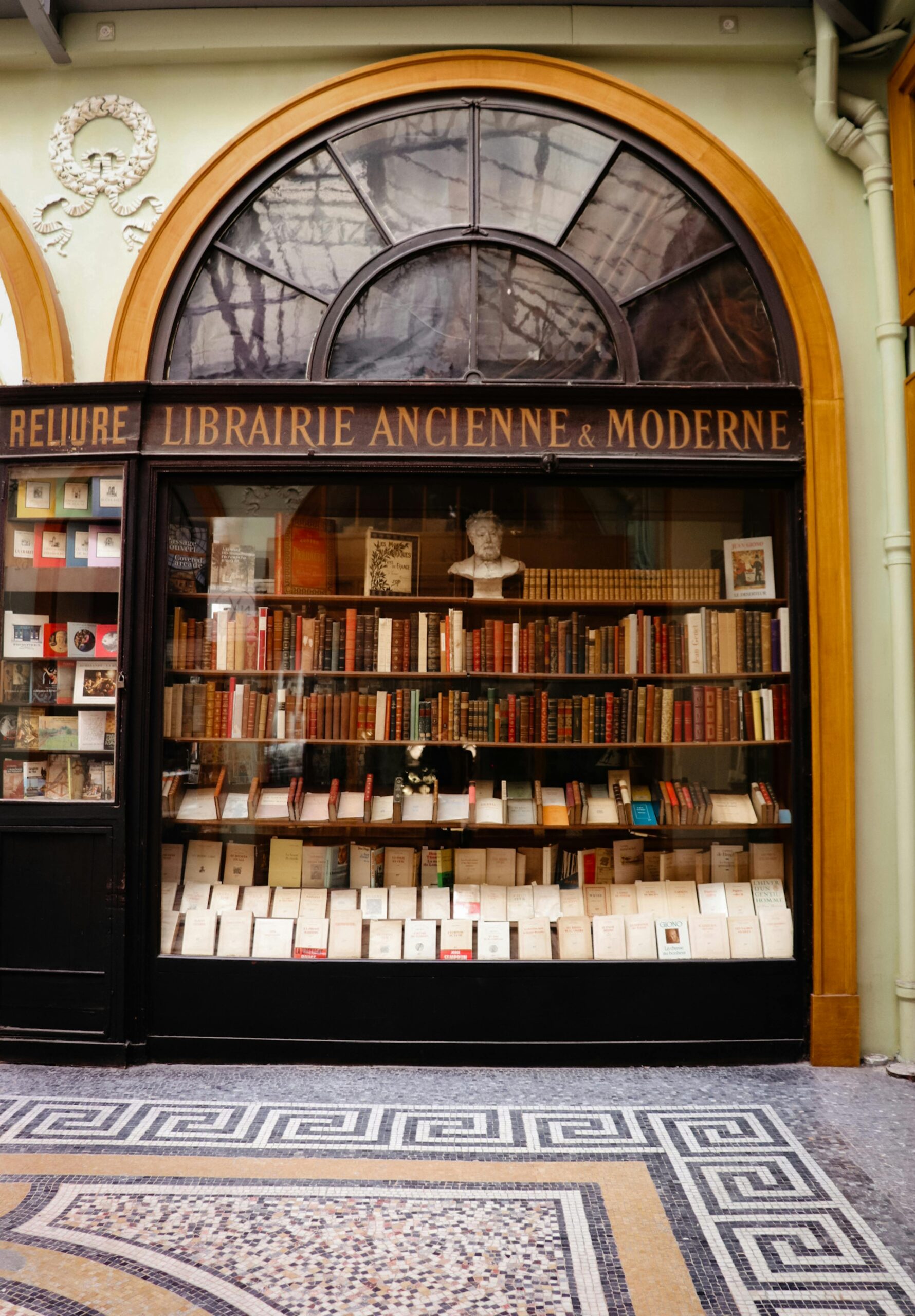
Once you’ve had your breakfast, Sundays in France unfold at their own gentle pace. In summer, you might stumble upon the beloved vide-grenier — a kind of village car boot sale meets flea market. Tables covered with old books, vintage trinkets, and half-forgotten treasures line the streets. Children dart between stalls, faces painted, bouncing castles in the background. There’s usually a stand selling crêpes or hot dogs, and a smell of grilled onions that somehow feels like summer itself.
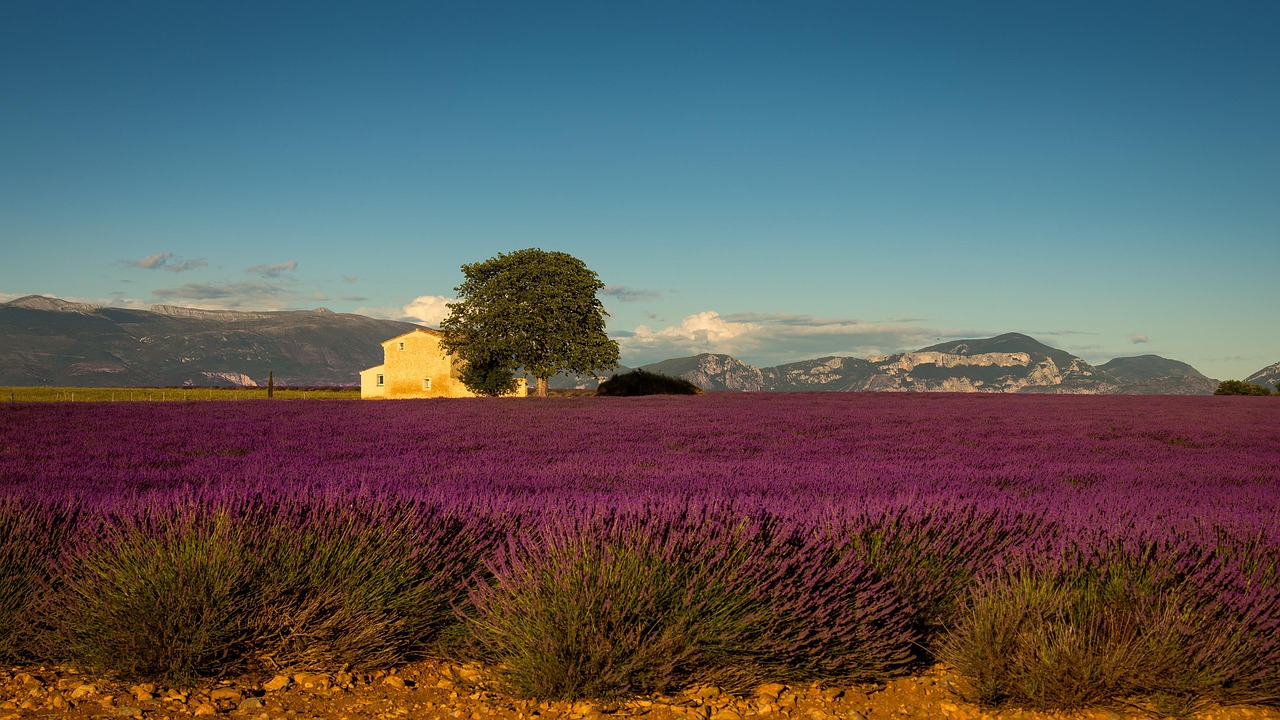
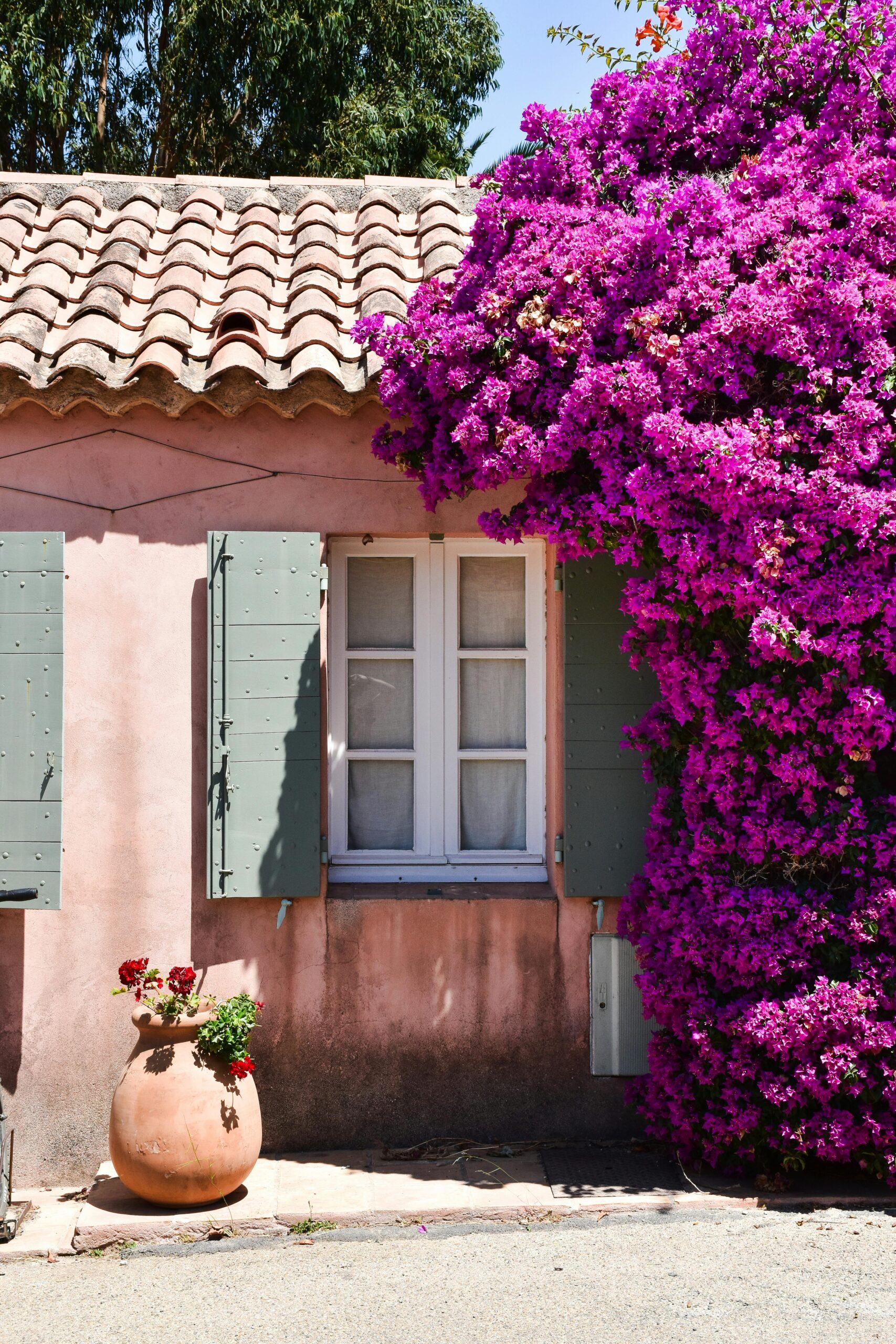
Here in Provence, Sundays also mean randonnées — group hikes that wind through olive groves, pine forests, and sleepy hilltop villages. People set off early with backpacks, water bottles, and that quiet sense of shared purpose that comes from walking the same path, together but unhurried.
And then, by late afternoon, everything stills again. The streets empty, shutters close, and even the cicadas seem to lower their volume. France, collectively, exhales.
Because here, Sunday isn’t about doing — it’s about being.
If you have found your way here, you are very welcome to follow along a little more closely- SUBSCRIBE -It’s FREE
2 Comments
Marion
So true! I love Sundays in France. Ever since I moved here as a student I was amazed how French people seemed to disappear on Sunday until I realised it was the time to gather for “le déjeuner du dimanche” – lunch as a family. Now it’s my turn to serve a fresh fish from the market on Sunday – if we’re not out on a randonnée 😉
TheBlondeOutsider
Yes- It certainly is a time to de-stress and stay with your family and I feel it definitely brings people together. I love the fact that you have adopted the French Sunday tradition! We have too! Enjoy!