The Art of Small Talk, French Edition
If there’s one thing I’ve learned after ten years in France, it’s that small talk — as I once knew it — doesn’t really exist here.
In England, we treat small talk like an Olympic sport. We can discuss the weather for a solid five minutes without even breaking a sweat. We have entire relationships built on conversations about rain. You can stand at a bus stop, say, “Bit chilly, isn’t it?”, and boom — instant camaraderie.
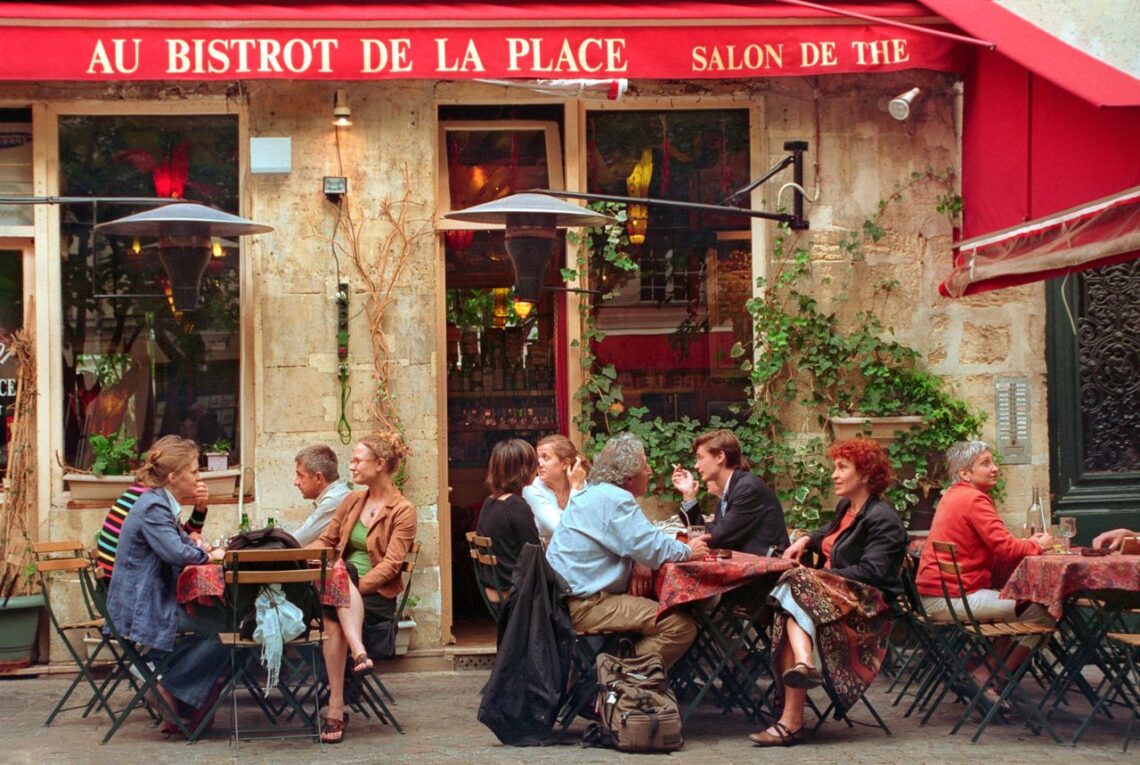
In France, though, it’s not quite the same. You don’t ease into conversation with gentle observations about drizzle or the price of tomatoes. You dive straight in — into opinions, debates, philosophies, politics. The French don’t do small talk; they do talk.
I discovered this the hard way. In my first few months here, I would chirp, “Quel beau temps aujourd’hui, non ?”(“Lovely weather today, isn’t it?”), only to be met with a polite nod, followed by complete silence. Or worse, a detailed meteorological analysis about the wind direction. It turns out, weather isn’t a conversation starter here. It’s a fact.
French small talk (if we can call it that) is a curious mix of formality and bluntness. You start with a Bonjour Madame/Monsieur — always, always Bonjour — then maybe a Comment allez-vous ? if you’re feeling bold. But don’t expect a long exchange of pleasantries. The French don’t see the point of discussing things they can already see.
They’ll talk about ideas, though. Ask their opinion on something — anything — and you’ve just opened the conversational floodgates. My local baker once gave me a passionate ten-minute monologue about education reform while handing me a baguette. And at my local supermarket, the cashier once gave me a blow-by-blow breakdown of her views on French politics — all while scanning my yoghurts.
The first time I went to a dinner party in France, I thought I was doing well. I smiled, I nodded, I said all the right Bonsoirs. Ten minutes later, someone asked what I thought about a recent government decision on pensions. Back home, that kind of question would come after dessert — if ever. Here, it’s the icebreaker.
But here’s the thing: once you stop expecting small talk to work the way it does elsewhere, it becomes strangely refreshing. The French aren’t being rude — they’re being real. They assume you’re smart enough not to need filler.
Over time, I’ve come to love this directness. It’s liberating, really. You don’t have to perform friendliness — you just have to be present. And when the French do open up — when a neighbour starts asking about your family or a colleague slips from vous to tu — it feels sincere, like you’ve earned your place in the conversation.
So yes, I may still amuse the occasional shopkeeper with my British instinct to say something about the sunshine, but I’ve learned to meet the silence that sometimes follows with a smile. Because here, connection isn’t made through weather reports — it’s made through honesty.
The French don’t do small talk. But they do real talk — and once you get used to it, there’s nothing small about that.
If you have found your way here, you are very welcome to follow along a little more closely –SUBSCRIBE– It’s FREE


You May Also Like
10 Things I Wish I’d Known Before Moving to France
French Bureaucracy and the Art of Staying Calm